




When Is a Skin Rash More Than Irritation? Signs to Ask a Dermatologist About
Short Answer: A skin rash may be more than temporary irritation when it spreads quickly, becomes painful, develops blisters, or appears alongside symptoms such as fever or swelling. While many rashes result from mild allergic reactions or skin irritation, others may indicate an infection or underlying skin condition. Persistent, worsening, or unexplained rashes should be evaluated by a dermatologist.
What Causes a Skin Rash?
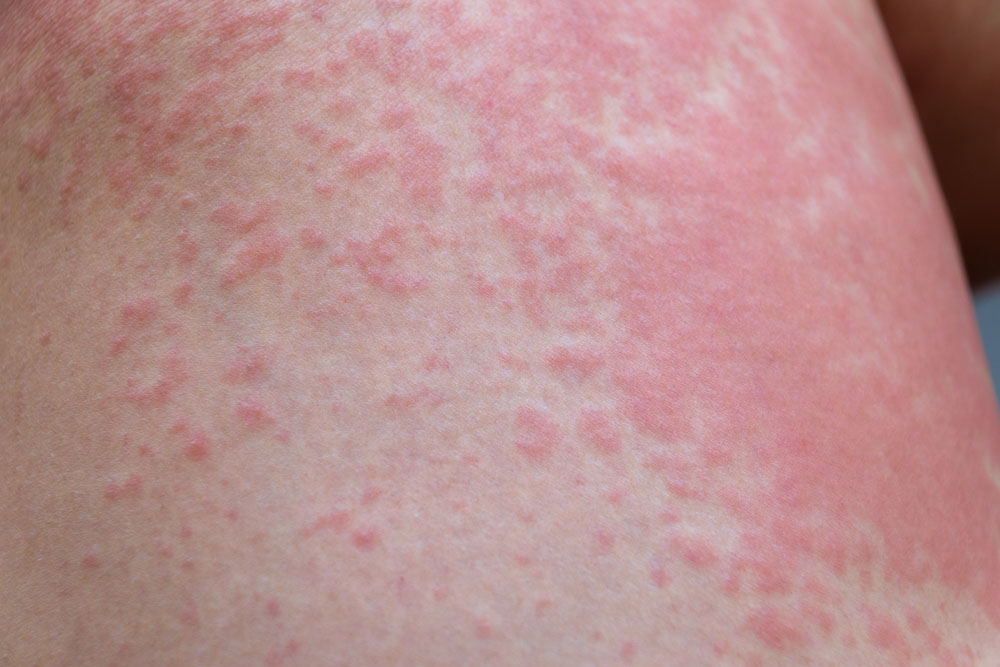
A skin rash is a noticeable change in the skin's appearance, texture, or color. It may cause redness, itching, swelling, bumps, dryness, or blisters. Rashes can develop for several reasons, and identifying the cause is important for choosing the right treatment.
Common causes of skin rashes include:
- Allergic reactions to skincare products or detergents
- Irritation from soaps, chemicals, or environmental factors
- Eczema and other inflammatory skin conditions
- Bacterial, fungal, or viral infections
- Reactions to certain medications
Some rashes improve after removing the source of irritation, while others require medical evaluation and prescription treatment.

Common Types of Skin Rashes
Contact Dermatitis
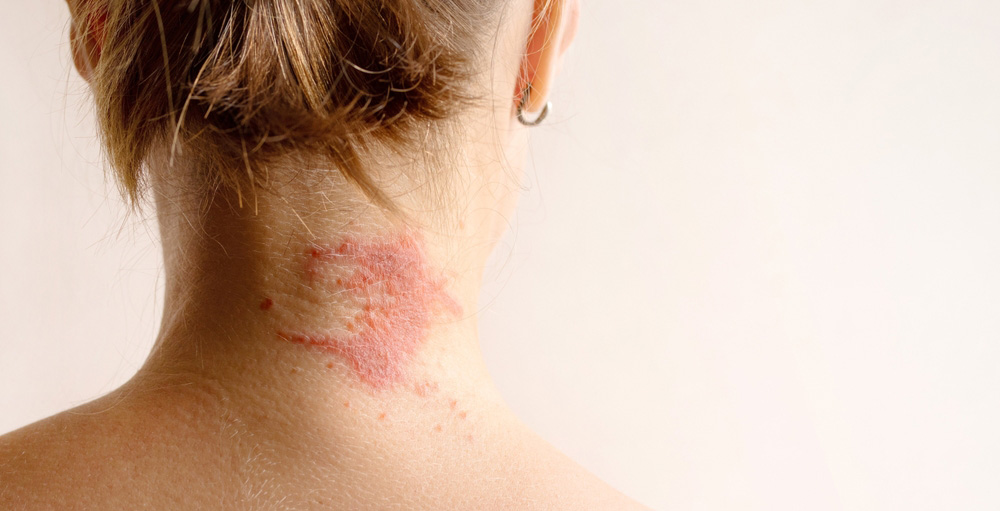
Contact dermatitis develops when the skin reacts to something it touches. It can occur due to direct irritation or an allergic reaction.
Common triggers include fragrances, detergents, cosmetics, cleaning products, and certain metals. Symptoms may include itching, redness, dryness, swelling, and sometimes blisters.
Eczema
Eczema is a condition that causes dry, inflamed, and itchy skin. Symptoms may come and go, and scratching can make the affected area worse.
Eczema commonly affects the hands, arms, legs, and other areas of the body. Treatment focuses on managing inflammation, protecting the skin barrier, and preventing flare-ups.
Skin Infections
Bacterial, fungal, and viral infections can cause different types of skin rashes. Some infections produce red or discolored patches, while others may cause blisters, swelling, or painful lesions.
Signs such as increasing warmth, pus, tenderness, and spreading redness or discoloration may indicate an infection that needs medical attention.
Psoriasis
Psoriasis is a chronic inflammatory skin condition that commonly causes raised patches covered with dry, flaky scales. It frequently appears on the elbows, knees, and scalp, although other areas can also be affected.
Unlike temporary irritation, psoriasis often requires ongoing management.
Seven Warning Signs That a Skin Rash Needs Medical Attention
Not every rash is serious, but certain symptoms should not be ignored.
1. The Rash Is Spreading Quickly
A rash that spreads rapidly may indicate an infection or significant inflammatory reaction. Medical evaluation is recommended, especially if the affected area becomes painful or swollen.
2. The Rash Becomes Painful
Mild itching is common with many skin conditions. However, increasing pain, tenderness, or warmth may indicate something more than simple irritation.
3. Blisters or Open Sores Develop
Blisters, peeling skin, or open sores can occur with certain allergic reactions and skin conditions. Widespread blistering or involvement of the mouth or eyes requires prompt medical attention.
4. You Develop a Fever
A rash accompanied by fever, chills, or unusual fatigue may indicate an infection or another condition affecting the body beyond the skin.
5. The Rash Covers a Large Area
A widespread rash should be evaluated, particularly when it appears suddenly or continues to worsen.
6. Signs of Infection Appear
Pus, increasing swelling, warmth, and spreading discoloration can indicate a skin infection. These symptoms should be assessed by a medical professional.
7. The Rash Affects Sensitive Areas
Rashes involving the eyes, mouth, lips, or genital area may require specialized evaluation. Blisters, sores, or significant swelling in these areas should not be ignored.
If a rash occurs with difficulty breathing, trouble swallowing, or sudden swelling of the lips, tongue, or throat, seek emergency medical care immediately.
How Can You Manage a Mild Skin Rash?
Mild irritation may improve with simple skincare adjustments, particularly when the triggering substance is identified and removed.
Helpful steps include:
- Avoiding new skincare products, fragrances, and suspected irritants.
- Wash the affected area gently with lukewarm water.
- Applying a cool compress to reduce discomfort.
- Using a fragrance-free moisturizer when appropriate.
- Avoiding scratching or rubbing the affected skin.
- Avoiding medicated creams unless they are appropriate for the suspected condition.
If the rash persists, returns frequently, or becomes worse, a dermatologist can help determine its cause and recommend suitable treatment.
How Does a Dermatologist Diagnose a Skin Rash?
Identifying the cause of a rash often requires more than looking at its appearance. Different skin conditions can produce similar symptoms, making professional evaluation important.
During an appointment, a dermatologist may consider:
- When the rash first appeared
- Whether it is itchy, painful, or spreading
- Recent changes in skincare products or detergents
- Medication history and possible allergic reactions
- Other symptoms, including fever or swelling
Depending on the suspected condition, additional testing may be recommended. This can include allergy patch testing, skin cultures, or a skin biopsy.
Treatment depends on the diagnosis. Some rashes improve with moisturizers and avoiding irritants, while others may require prescription creams, antifungal medications, antibiotics, or other targeted treatments.
Frequently Asked Questions
A rash may be serious if it spreads quickly, becomes painful, develops blisters, or occurs alongside fever or other symptoms. Difficulty breathing or sudden facial or throat swelling requires emergency medical attention.
Yes. Some mild rashes caused by temporary irritation may improve after removing the triggering substance. However, persistent or worsening rashes may require professional evaluation.
If itching persists, affects your sleep, repeatedly returns, or does not improve with basic care, a dermatologist can help identify the underlying cause and recommend appropriate treatment.
Stress can worsen certain existing skin conditions, including eczema, in some individuals. However, a new rash should not automatically be attributed to stress.
No. Hydrocortisone may help certain inflammatory skin conditions, but it is not suitable for every rash. It may also worsen certain infections or be inappropriate for sensitive areas without medical guidance.
Seek emergency care if a rash occurs with breathing difficulties, trouble swallowing, or sudden swelling of the lips, tongue, or throat. Extensive blistering, skin peeling, or severe illness also requires urgent assessment.
Professional Skin Care at MOD Dermatology
A skin rash may appear harmless at first, but persistent irritation, spreading symptoms, or recurring flare-ups can indicate an underlying condition that needs attention. Identifying the cause is essential for choosing the right treatment and preventing further skin complications.
MOD Dermatology provides medical dermatology services for patients in Omaha and surrounding Nebraska communities, including evaluation and care for various skin conditions.
If you are experiencing a persistent, unexplained, or worsening skin rash, visit MOD Dermatology to learn more about its services and schedule an appointment.