




Adult Acne vs. Teen Acne: How Treatment Can Differ
Short Answer: Adult acne and teen acne share many of the same causes, including excess oil, clogged pores, and inflammation. However, their triggers and treatment needs can differ. Teen acne is commonly linked to hormonal changes during puberty, while adult acne may be influenced by hormonal fluctuations, stress, skincare products, and medications. A dermatologist can recommend treatment based on age, skin type, and acne severity.
What Is Teen Acne?
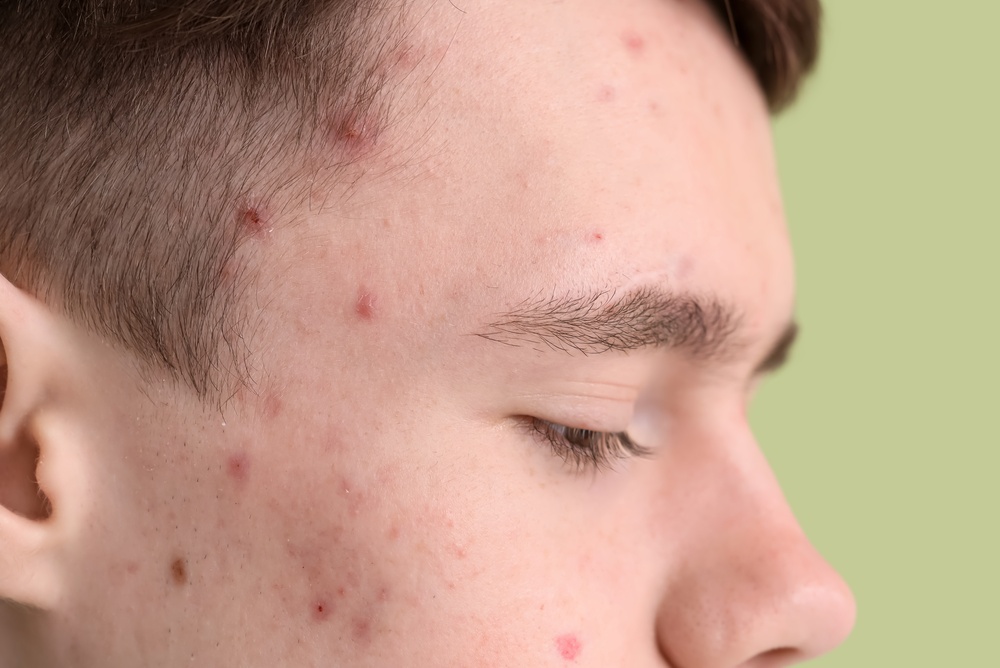
Teen acne commonly develops during puberty when hormonal changes increase the activity of the skin's oil-producing glands. Excess oil combines with dead skin cells, causing pores to become clogged and creating an environment where acne can develop.
Teen acne most commonly appears on the:
- Forehead and nose
- Cheeks and chin
- Chest and upper back
- Shoulders
Teenagers may experience blackheads, whiteheads, inflamed pimples, or deeper acne lesions. While mild acne can often be managed with over-the-counter products, moderate to severe acne may require prescription treatment.
What Is Adult Acne?
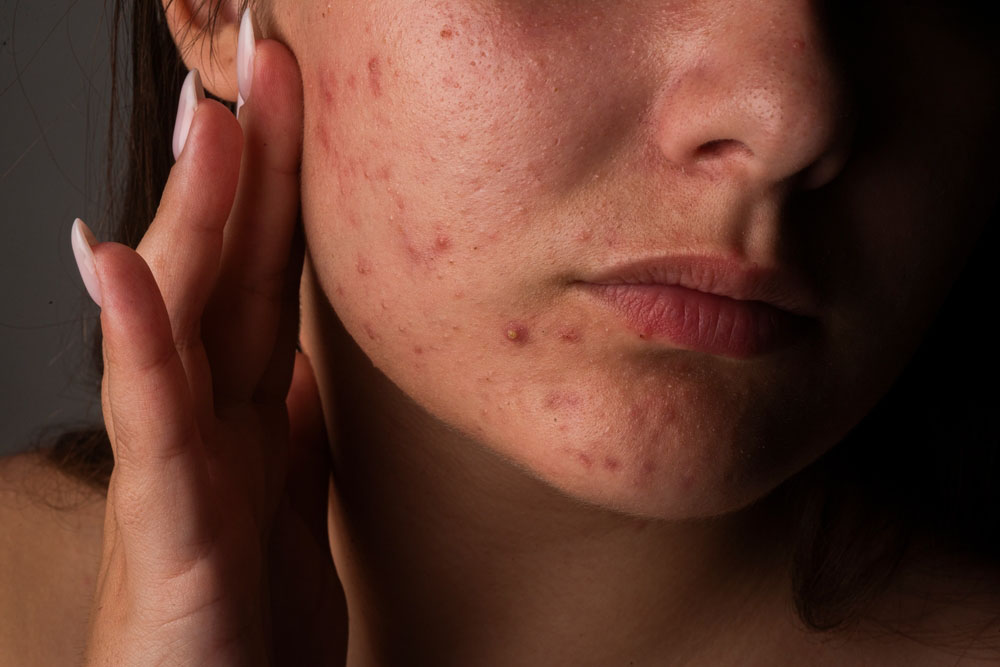
Adult acne refers to breakouts that continue beyond the teenage years or develop for the first time during adulthood. It can affect people in their 20s, 30s, 40s, and even later in life.
Unlike teen acne, adult acne is not always related to puberty. Hormonal fluctuations, stress, certain skincare products, and medications may contribute to recurring breakouts.
- Common characteristics of adult acne include:
- Breakouts around the chin and jawline
- Deep, inflamed, or painful pimples
- Recurring breakouts around menstrual cycles
- Acne alongside dry or sensitive skin
- Persistent blemishes that may leave dark marks or scars
Adult acne can be particularly frustrating for people who have never experienced significant breakouts before.
Adult Acne vs. Teen Acne: Key Differences
Hormonal Factors and Causes
Teen acne is commonly associated with the hormonal changes that occur during puberty. Adult acne may be influenced by ongoing hormonal fluctuations, stress, medications, and skincare products.
Common Breakout Locations
Teen acne frequently affects the forehead, nose, cheeks, chest, and back. Adult acne often appears around the lower face, particularly the chin and jawline, although it can develop in other areas.
Skin Type and Sensitivity
Teenagers often experience increased oil production during puberty. Adults may have acne alongside dryness, sensitivity, or other age-related skin concerns, making treatment selection more complicated.
Treatment Considerations
Teen acne treatment generally focuses on controlling oil, unclogging pores, and preventing inflammation. Adult acne treatment may require additional consideration of hormonal factors, skin sensitivity, and existing skincare routines.
Acne Treatment Options for Teenagers and Adults
Treatment depends on the type and severity of acne. Although many treatments can be used for both age groups, dermatologists may adjust the approach based on individual skin needs.
Common Acne Treatments Include:
- Benzoyl Peroxide: Helps reduce acne-causing bacteria and inflammation.
- Topical Retinoids: Help unclog pores and prevent new acne lesions.
- Salicylic Acid: Helps remove dead skin cells and reduce clogged pores.
- Azelaic Acid: Can help improve acne and the appearance of post-acne discoloration.
- Prescription Medications: May be recommended for persistent or more severe acne.
- For selected adults, hormonal treatments may also be considered. Severe acne in teenagers or adults may require oral prescription medications under a dermatologist's supervision.
Using too many active skincare ingredients at once can irritate the skin. A personalized treatment plan can help avoid unnecessary irritation while addressing the underlying causes of breakouts.
When Should You See a Dermatologist for Acne?
Occasional breakouts do not always require professional treatment. However, persistent or painful acne may benefit from a dermatologist's evaluation.
Consider scheduling an appointment if:
- Acne does not improve with consistent over-the-counter treatment.
- Breakouts are painful, deep, or widespread.
- Acne is leaving scars or persistent dark spots.
- Adult acne develops suddenly or becomes unusually severe.
- Skincare products repeatedly cause irritation.
- Acne affects your confidence or quality of life.
Early treatment can help control inflammation and reduce the likelihood of permanent acne scarring.
Frequently Asked Questions
Yes. Adult-onset acne can develop even in people who rarely experienced breakouts as teenagers. Hormonal changes, genetics, medications, and skincare products may contribute.
No. Hormones are one possible factor, but genetics, skincare products, medications, and other influences can also contribute to adult acne.
Some treatments, including benzoyl peroxide and topical retinoids, may be suitable for both age groups. However, the appropriate product and strength depend on age, skin sensitivity, acne severity, and medical history.
Many acne treatments take approximately six to eight weeks to show noticeable improvement. More significant results may take several months of consistent treatment.
Stress does not directly cause acne, but it can worsen existing breakouts in some individuals.
Professional Acne Care at MOD Dermatology
Managing acne requires understanding the factors contributing to breakouts and selecting treatments that work with your skin type. Whether acne begins during the teenage years or develops later in adulthood, professional evaluation can help identify suitable treatment options.
MOD Dermatology provides medical dermatology services, including acne care, for patients in Omaha and surrounding Nebraska communities.
Visit MOD Dermatology to learn more about available dermatology services and schedule an appointment.